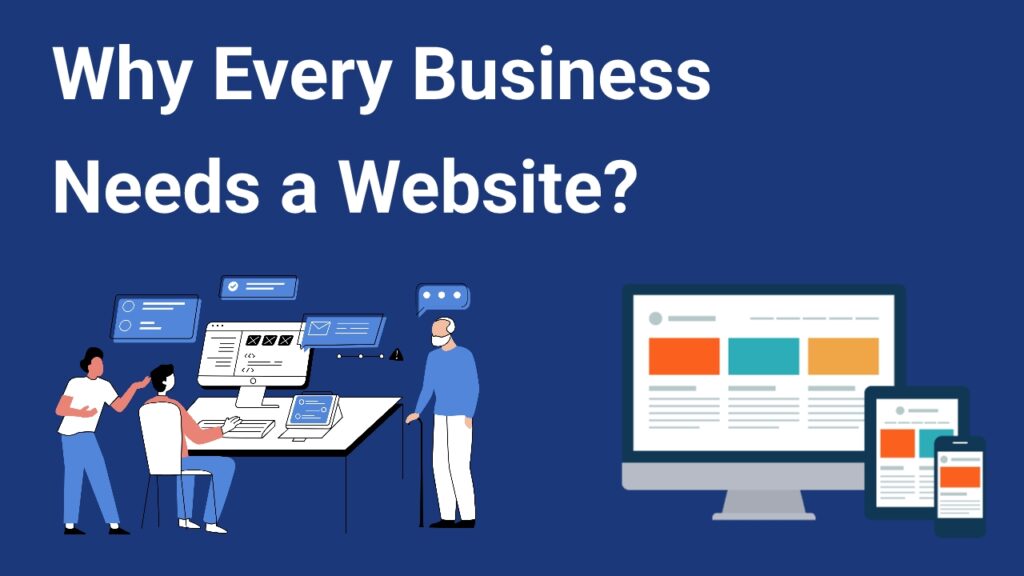

A professional website is no longer a luxury—it is a powerful business asset. In today’s digital-first world, your website acts as the first impression, trust-builder, and the central pillar of your brand identity. This article explains how a well-designed website helps businesses increase customer trust and build a strong, memorable brand.
1. First Impressions Shape Customer Perception
Your website is often the first point of contact between your brand and potential customers. A clean, modern, and visually appealing design communicates professionalism instantly.
A professional website tells users:
- This business is active and trustworthy.
- They care about quality and customer experience.
- They take their brand seriously.
An outdated or poorly-designed website can instantly decrease trust and push customers away.
2. Clear Communication Builds Trust
Visitors trust a business when information is easy to read and easy to find. A well-structured website provides clarity and removes confusion.
Essential trust-building elements include:
- Clear navigation menu
- Organized sections and page layout
- Readable content with simple language
- Direct answers to customer questions
When users find everything effortlessly, trust grows naturally.
3. Consistent Branding Strengthens Identity
A website brings together all brand elements in one place:
- Logo and brand colors
- Fonts and visual style
- Brand voice and tone
- Images and graphics
Consistency builds recognition. When customers see the same branding across your website, social media, and marketing materials, they start trusting your brand more.
4. Social Proof Enhances Credibility
People trust businesses that other people trust. A professional website showcases real customer experiences to influence buying decisions.
Effective social proof includes:
- Customer reviews
- Testimonials
- Portfolio work
- Case studies
- Client logos
Even a few authentic testimonials can significantly increase credibility.
5. Professional Content Builds Authority
High-quality content positions your brand as an expert. A professional website includes valuable and informative content that helps visitors.
Authoritative content includes:
- Blog posts
- Service details
- Frequently asked questions
- Guides and industry insights
When visitors find helpful information, they trust your expertise and feel confident choosing your services.
6. Secure Browsing Boosts Customer Confidence
Security is one of the strongest trust indicators. A professional website ensures that customer data is safe and protected.
Security signals include:
- SSL certificate (https)
- Secure forms and encrypted data
- Clear privacy policy
- Verified payment gateways
Secure websites reassure users that they can interact safely with your brand.
7. Fast Loading Speed Builds Reliability
A slow website feels unreliable and unprofessional. A well-developed website loads quickly due to optimized images, clean code, and powerful hosting.
Fast-loading websites increase trust, reduce bounce rate, and improve user experience.
8. Mobile-Friendly Design Improves User Trust
More than half of global web traffic comes from mobile devices. A mobile-friendly website shows that your business values all types of users.
A responsive design includes:
- Flexible layout
- Readable fonts on mobile
- Touch-friendly buttons
- Proper spacing and alignment
When your website works smoothly on phones and tablets, customers feel more confident in your professionalism.
9. The About Page Creates a Human Connection
People connect with human stories, not just brand names. A strong About page adds transparency and personality to your business.
It should include:
- Your brand story
- Mission and vision
- Founder’s message
- Team introduction
- Company values
This builds trust by showing the people behind the brand.
10. Updated Content Shows Activeness
An updated website signals that the business is active and trustworthy. Customers judge the brand based on how regularly content is maintained.
- Recent blog posts
- Updated service pages
- New photos or achievements
- Updated contact details
Active websites attract more customers and build confidence.
11. Clear Calls-to-Action Guide Visitor Decisions
A professional website guides customers through the journey with clear CTAs.
Examples:
- Request a Quote
- Contact Us
- Book a Consultation
- View Services
- Shop Now
Strong CTAs reduce confusion and increase conversions.
12. Professional Websites Reduce Perceived Risk
Customers trust businesses that appear reliable. A high-quality website signals commitment, effort, and professionalism. It reduces doubts and makes visitors feel safe choosing your services.
Conclusion
A professional website is much more than an online brochure—it is a trust-building engine and a strong pillar of your brand identity. By focusing on design, content, functionality, and security, your website can attract customers, build credibility, and help your business grow.